Brian: A Sweet and Cursive Handwritten Font for Elegant Design
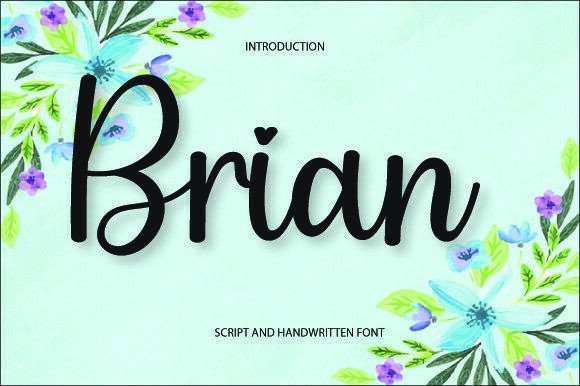
Brian is a sweet and cursive handwritten font that brings a unique charm to any design project. Its gentle, flowing style adds a touch of warmth and personality, making it ideal for those who want their work to feel personal and inviting. Whether you're creating branding materials, wedding invitations, or fashion lookbooks, Brian can elevate your visuals with its elegant yet casual aesthetic.
Why Brian Might Be the Right Choice for You
For designers looking to blend elegance with approachability, Brian offers a versatile solution. Its soft curves and organic shapes make it particularly well-suited for projects that require a romantic or whimsical tone. This font is especially popular among creatives who want to add a handcrafted feel without sacrificing readability.
The cursive nature of Brian gives it a natural flow, which can help guide the reader's eye across text in a smooth and engaging way. It’s not just visually appealing—it also enhances the overall experience of reading or viewing content. This makes it a great option for greeting cards, where a personal touch can make all the difference.
Benefits of Using Brian
One of the primary benefits of using Brian is its ability to convey emotion. The font’s gentle lines and rounded edges evoke feelings of comfort and affection, making it an excellent choice for projects that aim to create a warm and welcoming atmosphere.
Additionally, Brian is highly adaptable. It works well in both large formats, such as posters or banners, and smaller applications like social media graphics or website headers. Its versatility allows designers to use it across multiple platforms without compromising its character.
Another advantage is its readability. Despite being a cursive font, Brian maintains clarity, ensuring that text remains legible even at smaller sizes. This is particularly important for digital applications where fonts may need to be scaled down for mobile or web use.
Considerations and Tradeoffs
While Brian has many strengths, it's not without its limitations. As a cursive font, it may not be the best choice for long blocks of text or formal documents where consistency and professionalism are key. In such cases, a more structured serif or sans-serif font might be more appropriate.
Furthermore, the decorative nature of Brian means it may not always align with minimalist or modern design trends. If your project requires a clean, contemporary look, you might find that Brian doesn’t fit as seamlessly as other options.
Situations Where Brian Shines
Brian excels in situations where a personal, artistic, or romantic vibe is desired. It’s particularly effective for wedding-related designs, such as invitations, save-the-dates, or ceremony programs. The font’s soft curves and elegant structure complement the theme of love and celebration.
It’s also a great fit for branding efforts that aim to create a friendly and approachable brand image. For example, boutique stores, lifestyle brands, or creative agencies can use Brian to communicate warmth and authenticity in their visual identity.
In the realm of fashion and marketing, Brian can add a touch of sophistication to lookbooks, promotional materials, or product packaging. Its ability to blend elegance with a casual feel makes it a standout choice for designers seeking to stand out in a competitive market.
When to Consider Alternatives
If your design goals lean toward a more professional or traditional aesthetic, you may want to explore other fonts. Serif fonts like Georgia or Times New Roman offer a classic, authoritative feel, while sans-serif fonts like Arial or Helvetica provide a modern, clean look.
For projects requiring maximum readability, especially in digital environments, consider fonts like Open Sans or Roboto. These fonts are designed for clarity and performance across various screen sizes and resolutions.
Ultimately, the decision to use Brian should be based on your specific needs and the message you want to convey. If you’re aiming for a personal, elegant, and slightly whimsical feel, Brian is an excellent choice. However, if your project demands a more formal or technical appearance, you may want to look elsewhere.
Making the Right Choice
When evaluating Brian, consider the following factors: the purpose of your design, the audience you're targeting, and the overall tone you wish to achieve. Ask yourself whether the font aligns with your brand values and whether it will effectively communicate your message.
Testing Brian in different contexts—such as print, digital, and social media—can also help you determine its suitability. Seeing how it performs in various settings will give you a clearer idea of whether it’s the right fit for your project.
Remember, the goal is to choose a font that enhances your design rather than detracts from it. Brian is a beautiful and versatile option, but it’s important to weigh its strengths and limitations before making a final decision.