Crush: A Bold Font That Speaks Volumes
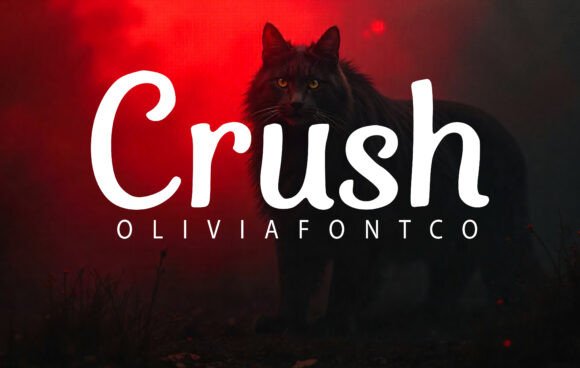
The Crush font is more than just a typographic choice—it’s a statement. Designed for those who want to make an impact, Crush offers a modern script style that combines confidence with elegance. Its smooth, monoline stroke weight and slightly slanted posture give it a dynamic feel, perfect for branding, social media graphics, product packaging, and more. Whether you're crafting a website header or designing a music cover, Crush delivers a punchy aesthetic that stands out.
Why Crush Stands Out in the World of Typefaces
Crush isn’t just another script font. It’s crafted with purpose. The consistent thickness of its strokes ensures readability even at smaller sizes, making it versatile for both headlines and supporting text. This balance between boldness and clarity is what makes Crush so appealing to designers and creators alike.
Its natural, handwritten rhythm adds a sense of authenticity while maintaining a polished look. This blend of handcrafted charm and digital precision allows it to adapt to various design contexts without losing its identity. From apparel to edgy website headers, Crush has a way of making your message memorable.
Common Mistakes When Choosing and Using Crush
While Crush is a powerful tool, many users fall into common pitfalls when selecting and applying it. Understanding these mistakes can help you avoid unnecessary frustration and ensure your design choices align with your goals.
- Overlooking Readability: Some designers assume that because Crush is a script font, it will always be readable. However, its slanted posture and flowing lines can sometimes make it less legible at smaller sizes. Always test your design across different screen sizes and resolutions.
- Ignoring Context: Crush is best suited for high-impact applications like headlines or logos. Using it for body text can dilute its effectiveness and confuse your audience. Consider pairing it with a more neutral font for supporting content.
- Not Checking Glyph Support: Crush includes a wide range of glyphs and alternates, but not all versions support every language or character set. Before finalizing your design, verify that the font supports the text you intend to use.
- Misunderstanding Licensing: Many users overlook the licensing terms associated with Crush. Depending on how you plan to use it—whether for personal projects, commercial use, or distribution—you may need to purchase a license or choose a free alternative.
How These Mistakes Can Impact Your Work
Choosing the wrong font or using Crush incorrectly can have real consequences. Poor readability can lead to confusion, reducing the effectiveness of your message. Misaligned context can create a disjointed visual experience, making your brand appear inconsistent or unprofessional.
Ignoring glyph support can result in missing characters or broken text, which is especially problematic for multilingual designs. And failing to understand licensing terms could expose you to legal risks, particularly if you're planning to use Crush in a commercial setting.
Practical Tips for Using Crush Effectively
To get the most out of Crush, consider these practical strategies:
- Use It Strategically: Reserve Crush for headlines, logos, and other high-impact elements. For body text, pair it with a clean sans-serif or serif font to maintain readability and balance.
- Test Across Platforms: Ensure your design looks great on different devices and screen sizes. Test it on mobile, desktop, and tablet to catch any issues early.
- Check for Multilingual Support: If you're working on a global project, confirm that Crush supports the languages and characters you need. This will save you from last-minute surprises.
- Understand the License: Always review the licensing agreement before using Crush in a professional or commercial context. Some fonts require a purchase or subscription, while others are available for free under specific conditions.
By taking these steps, you’ll not only enhance the visual appeal of your work but also ensure that your design communicates effectively and professionally.
What to Check Before Making a Decision
Before committing to Crush, there are several key factors to consider:
- Intended Use: Will Crush be used for print, digital, or both? Different formats may require different font versions or licenses.
- Audience: Who is your target audience? Crush’s bold style may not be suitable for all demographics or industries.
- Competition: How does Crush compare to other similar fonts? Researching alternatives can help you make a more informed decision.
- Cost: Is Crush affordable for your project? Some premium fonts come with additional features or support that justify the cost.
- Support: Does the font have good documentation, community support, or customer service? This can be crucial if you run into any issues during implementation.
These checks will help you evaluate whether Crush is the right choice for your specific needs and goals.
Final Thoughts on Crush
Crush is a powerful typeface that can elevate your designs with its bold, confident style. However, like any design tool, it requires thoughtful application. By understanding its strengths and limitations, you can avoid common mistakes and unlock its full potential. Whether you're a beginner or a seasoned designer, Crush has something to offer—provided you use it wisely.