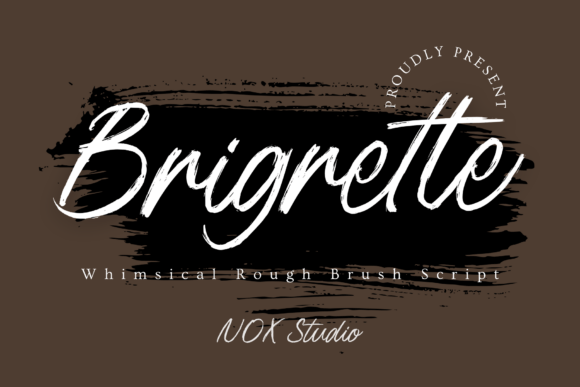
Golden Curve: A Bold Brush Font for Creative Expression
Golden Curve is more than just a font—it’s a visual language designed to communicate confidence, creativity, and authenticity. Inspired by the natural flow of real brush lettering, this handwritten brush font captures the essence of handcrafted artistry. Each character is built with dynamic strokes and expressive movement, giving it a unique texture that feels both bold and personal. Whether you're crafting a brand identity, designing social media content, or creating promotional materials, Golden Curve brings a sense of energy and individuality to every project.
The Role of Golden Curve in Design Workflows
In the world of design, typography plays a crucial role in shaping the tone and message of a project. Golden Curve fits seamlessly into this process, offering a versatile tool for creatives who want to stand out without sacrificing clarity. Its bold, expressive style makes it ideal for headlines, logos, and other high-impact elements where visual impact is key.
This font is particularly useful during the conceptual phase of a project. When brainstorming ideas or sketching out visual direction, using Golden Curve can help bring concepts to life with a more tactile, artistic feel. It encourages a more intuitive approach to design, allowing creators to experiment with form and expression before finalizing their vision.
How Golden Curve Enhances Creativity and Branding
For professionals in branding, marketing, and creative industries, Golden Curve offers a powerful way to differentiate their work. The font's natural strokes and handcrafted texture give it an authentic, human touch that digital fonts often lack. This makes it especially effective for building brand identity—whether it's a logo, a tagline, or a series of promotional graphics.
When used in conjunction with other design tools, such as Adobe Illustrator or Canva, Golden Curve can elevate the overall aesthetic of a project. Its versatility allows it to adapt to different contexts, from sleek modern designs to more casual, playful layouts. This flexibility ensures that it remains relevant across a wide range of applications.
Practical Implementation Tips for Using Golden Curve
To make the most of Golden Curve, consider how it integrates into your existing workflow. Start by experimenting with its use in mockups or concept boards. This helps you understand how the font interacts with other design elements and whether it aligns with your overall vision.
One practical tip is to use Golden Curve for headings or titles rather than body text. Its bold, expressive nature is best suited for short, impactful phrases. For longer content, pair it with a more readable sans-serif or serif font to maintain balance and legibility.
Another important consideration is compatibility. Ensure that the font works well with the platforms and software you use. Most modern design tools support custom fonts, but it's always a good idea to test it in different environments to confirm consistency.
Workflow Example: Branding Project
- Concept Phase: Use Golden Curve to draft initial brand visuals, helping to establish a strong, memorable identity.
- Design Phase: Incorporate the font into logos, taglines, and promotional materials to reinforce brand personality.
- Presentation Phase: Use Golden Curve in presentations or pitch decks to create a visually engaging narrative.
- Launch Phase: Apply the font consistently across all branding assets to ensure a cohesive look and feel.
This structured approach ensures that Golden Curve is not just a decorative element, but a strategic component of your creative process.
Integrating Golden Curve into Your Creative Routine
Whether you're a freelancer, small business owner, or educator, integrating Golden Curve into your routine can enhance both your output and your workflow. Start by identifying areas where bold, expressive typography can add value. This might include social media posts, website headers, or print materials.
Consider setting aside time each week to experiment with the font in new contexts. This helps you become more familiar with its characteristics and discover new ways to use it effectively. Over time, you'll develop a better sense of when and how to apply it to achieve the desired effect.
Additionally, keep track of your experiences with Golden Curve. Note what works well and what doesn’t, and adjust your usage accordingly. This iterative process helps you refine your approach and maximize the font’s potential.
Factors to Consider When Using Golden Curve
Before fully integrating Golden Curve into your workflow, consider several key factors. First, assess the preparation required. Does the font come with clear documentation? Are there any specific guidelines for use? These details can save you time and frustration down the line.
Next, evaluate compatibility. Will the font work with your preferred design tools and platforms? If not, are there alternatives or workarounds available? Addressing these questions upfront ensures a smoother implementation process.
Usability is another important factor. How does the font perform in different sizes and formats? Is it easy to read at smaller sizes or on low-resolution screens? Understanding these aspects helps you make informed decisions about when and where to use it.
Finally, think about long-term use. Will Golden Curve remain relevant as your projects evolve? Does it offer enough flexibility to adapt to changing needs? Considering these points helps you determine whether the font is a sustainable addition to your toolkit.
Conclusion
Golden Curve is more than just a font—it's a tool for creative expression. By understanding its strengths and limitations, and by integrating it thoughtfully into your workflow, you can unlock new possibilities for your design projects. Whether you're working on branding, marketing, or personal creative ventures, Golden Curve has the power to make your message feel confident, artistic, and unforgettable.