Soft Script: A Gentle Touch for Creative and Practical Workflows
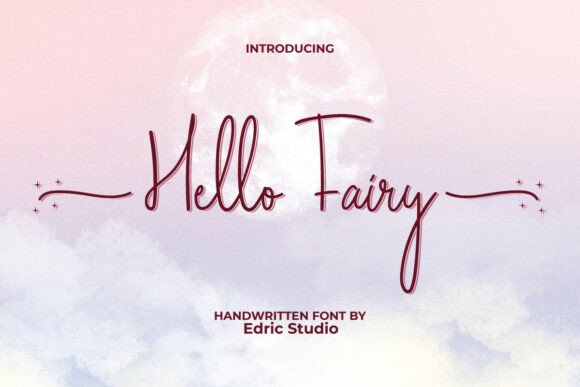
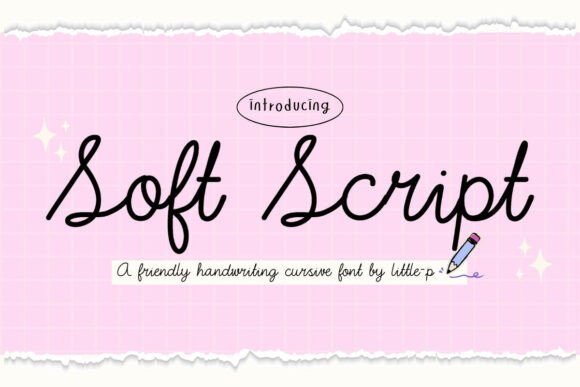
When it comes to design, the right font can make all the difference. Soft Script is a handwriting cursive typeface that brings warmth, approachability, and a personal touch to any project. Its smooth, monoline flow and elegant loops create a sense of effortless charm that feels as natural as a handwritten note. Whether you're crafting content for a lifestyle blog or designing a planner for kids, Soft Script offers a versatile and friendly aesthetic that enhances both visual appeal and readability.
Why Soft Script Stands Out in Design Workflows
Soft Script is more than just a pretty font—it’s a tool that supports a variety of creative and practical workflows. Its clean, cursive strokes ensure legibility even at smaller sizes, making it ideal for use in stationery, personalized journals, and feminine branding. For professionals who value clarity and elegance, this font bridges the gap between digital and physical design, offering a consistent look across different mediums.
The font's PUA encoding allows designers to unlock alternate characters and decorative elements instantly, which is particularly useful when working on projects that require customization. This feature simplifies the process of creating unique designs without the need for complex coding or external tools. It’s especially beneficial for freelancers and small business owners who want to maintain brand consistency while adding a personal touch to their work.
Integration into Creative and Educational Projects
Soft Script is a great fit for educational materials, such as worksheets, planners, and learning activities. Its gentle, flowing style makes it easy for students to read and engage with content, especially in younger age groups. Teachers and educators can use it to create visually appealing handouts, flashcards, or interactive printables that feel more like a conversation than a lesson.
For creators, Soft Script adds a sweet, personal touch to social media graphics, DIY crafts, and printables. It works well with soft pastel color palettes and hand-drawn illustrations, enhancing the overall mood of the design. When used in combination with other design tools, such as Canva or Adobe Illustrator, Soft Script becomes an essential asset in building cohesive and inviting visual content.
Practical Implementation Tips for Using Soft Script
Incorporating Soft Script into your workflow doesn’t have to be complicated. Here are a few practical tips to help you get started:
- Start with a clear purpose: Determine how Soft Script will enhance your project—whether it's for branding, education, or creative expression.
- Test compatibility: Ensure the font works well with your design software and any platforms where it will be used, such as websites or print materials.
- Pair wisely: Use Soft Script alongside complementary fonts for headings or body text to maintain balance and readability.
- Use it consistently: Apply Soft Script across similar projects to build brand recognition and maintain a cohesive visual identity.
- Explore alternate characters: Take advantage of the PUA encoding to add decorative elements that elevate your design without overwhelming the reader.
By following these steps, you can seamlessly integrate Soft Script into your existing design process, ensuring it enhances rather than hinders your workflow.
Workflow Examples for Different Use Cases
Let’s explore how Soft Script can fit into different stages of a project:
Before a Project: When planning a new product launch or marketing campaign, Soft Script can be used in concept sketches, mood boards, or branding mockups. Its friendly appearance helps convey a welcoming and approachable brand image from the start.
During a Project: As you develop content or visuals, Soft Script can serve as a consistent typographic element. It works well for headlines, call-to-action buttons, or signature styles that appear across multiple assets, helping to unify the overall look and feel.
After a Project: Once the project is complete, Soft Script can be used in follow-up materials, such as thank-you notes, social media posts, or promotional flyers. Its warm and personal tone keeps the audience engaged long after the initial interaction.
Enhancing Workflow Efficiency with Soft Script
One of the key advantages of using Soft Script is its ability to streamline workflows. Because it’s designed for readability and ease of use, it reduces the time spent on formatting and adjusting text for different mediums. This efficiency is especially valuable for busy professionals, entrepreneurs, and educators who need to produce high-quality content quickly.
Additionally, Soft Script’s versatility means it can adapt to various design needs without requiring significant changes to your workflow. Whether you’re creating a greeting card, a printable worksheet, or a social media graphic, the font maintains its charm and functionality, making it a reliable choice for a wide range of tasks.
Factors to Consider When Integrating Soft Script
While Soft Script offers many benefits, there are a few factors to consider when integrating it into your workflow:
- Preparation: Ensure you have access to the correct font files and licensing information before starting any project.
- Compatibility: Check that the font works with your design software and any platforms where it will be used.
- Usability: Test the font in different contexts to ensure it remains legible and effective in all applications.
- Organization: Keep track of your font usage and updates to maintain consistency across your projects.
- Long-term use: Consider how the font will evolve over time and whether it aligns with your long-term design goals.
By addressing these considerations, you can ensure that Soft Script remains a valuable and sustainable part of your design toolkit.
Conclusion
Soft Script is more than just a font—it’s a thoughtful addition to any designer’s workflow. Its gentle, personal touch makes it ideal for a wide range of creative and practical applications, from lifestyle blogs to educational materials. By understanding how to integrate it into your process, you can enhance the visual appeal and effectiveness of your projects while maintaining clarity and consistency.