Story Homework and the Rise of Handwritten Display Fonts in Modern Design
In an age where digital communication dominates, there’s a growing desire to reconnect with the warmth and authenticity of handwritten elements. This shift has given rise to Story Homework, a concept that blends personal storytelling with practical learning. More than just a method for completing tasks, Story Homework encourages individuals to reflect on their experiences, express creativity, and develop a deeper understanding of themselves and the world around them.
The Evolution of Handwritten Fonts in Design
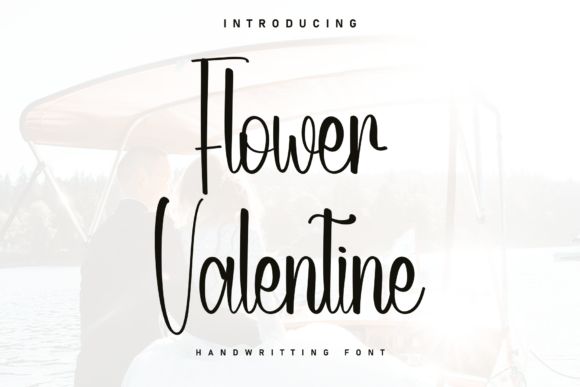
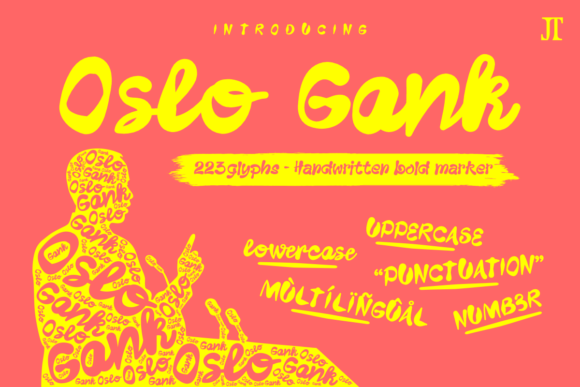
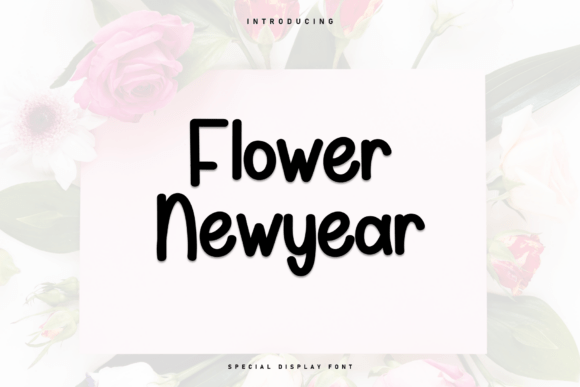
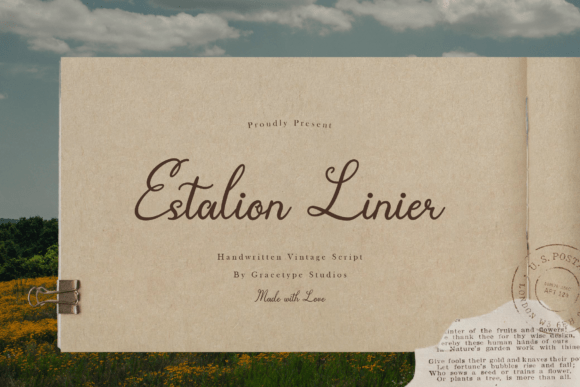
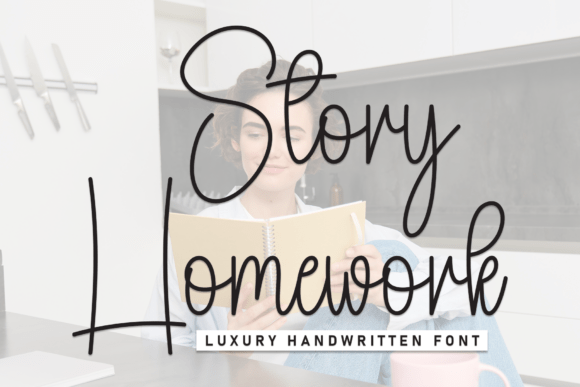
Handwritten fonts have long been associated with charm, individuality, and a sense of nostalgia. However, in recent years, they’ve evolved from mere aesthetic choices to powerful tools for emotional expression and brand identity. The introduction of a charming and personable handwritten display font that captures the essence of sweetness and friendliness marks a significant step in this evolution. Such fonts are not just visually appealing—they convey a personality that resonates with audiences.
This particular font, with its playful touch and entertaining design, is especially well-suited for creative projects like wedding invitations or greeting cards. Its ability to evoke warmth and connection makes it ideal for occasions that require both elegance and approachability. As more designers seek to create content that feels genuine and relatable, the demand for such fonts continues to grow.
Why Handwritten Fonts Matter in Modern Design
Designers today are increasingly aware of the importance of user experience and emotional engagement. A well-chosen font can significantly influence how a message is received. For instance, a handwritten font can make a digital invitation feel more personal, while a bold, modern typeface might be better suited for a corporate presentation.
The Story Homework concept aligns perfectly with this trend. By encouraging individuals to document their thoughts and stories, it fosters a deeper connection between the creator and the audience. When combined with a visually expressive font, this synergy enhances the overall impact of the message.
Practical Applications Beyond Weddings
While wedding invitations are a popular use case, the charm of this font extends far beyond that. It can be used for:
- Personal Projects: Creating journals, sketchbooks, or DIY crafts that reflect one’s unique style.
- Marketing Materials: Designing social media posts, posters, or promotional flyers that stand out in a crowded digital landscape.
- Education: Developing engaging lesson plans or study guides that inspire creativity in students.
- Business Branding: Building a distinctive visual identity that communicates warmth and approachability.
These applications demonstrate how the combination of Story Homework and a playful handwritten font can be leveraged across various domains. Whether you're a professional looking to enhance your brand or a hobbyist exploring new creative avenues, the possibilities are endless.
Trends Driving the Demand for Handwritten Fonts
The resurgence of handwritten fonts is closely tied to broader cultural and technological shifts. As people become more conscious of the value of human connection, there’s a noticeable trend toward authenticity in design. This is evident in the popularity of hand-drawn illustrations, vintage aesthetics, and personalized branding strategies.
Additionally, the rise of remote work and digital collaboration has led to a greater emphasis on visual storytelling. In a world where attention spans are short, content that stands out—both visually and emotionally—is more likely to be shared and remembered. A charming handwritten font can help achieve this by adding a layer of personality and warmth to any project.
How Story Homework Enhances Creative Workflows
Integrating Story Homework into your creative process can lead to more meaningful and impactful results. By taking time to reflect on your experiences and emotions, you gain valuable insights that can inform your design choices. This practice encourages a more intentional approach to work, which is particularly beneficial for professionals in fields like marketing, education, and entrepreneurship.
For example, a blogger who incorporates Story Homework into their writing routine may find that their content becomes more relatable and engaging. Similarly, a small business owner using this approach could create marketing materials that resonate more deeply with their target audience.
Realistic Examples and Recommendations
Let’s consider a few realistic scenarios where the combination of Story Homework and a charming handwritten font can make a difference:
- Wedding Invitations: A couple using this font for their invitations can create a sense of intimacy and warmth that complements their relationship. The playful nature of the font adds a touch of fun, making the invitation feel more personal.
- Social Media Posts: A designer or influencer might use this font to craft captions that reflect their personality. The result is a more authentic and engaging online presence.
- Personal Journals: Individuals who keep journals can benefit from using this font to document their thoughts and feelings. The handwritten aesthetic encourages reflection and creativity.
When choosing a font, it’s important to consider both its visual appeal and its functionality. While a cute and friendly design is attractive, it should also be legible and suitable for the intended use. Experimenting with different styles and combinations can help you find the perfect match for your project.
Conclusion: Embracing Authenticity in Design
As we continue to navigate an increasingly digital world, the need for authenticity and emotional connection remains stronger than ever. Story Homework offers a powerful way to cultivate this connection through personal storytelling, while a charming handwritten display font brings that story to life in a visually compelling way.
Whether you’re a designer, educator, entrepreneur, or simply someone who values creativity and self-expression, embracing these tools can lead to more meaningful and impactful outcomes. By combining thoughtful reflection with expressive design, you open the door to a more engaging and fulfilling creative journey.