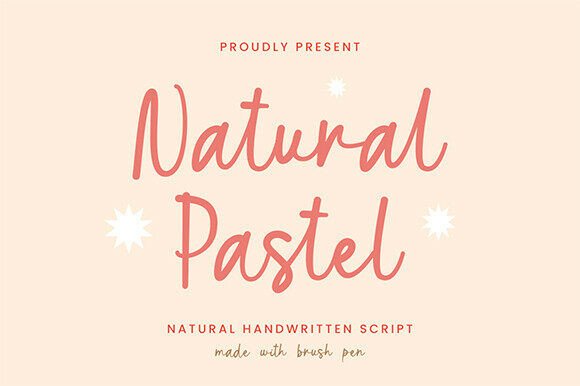
Natural Pastel: A Handcrafted Font for Authentic Branding and Creative Expression
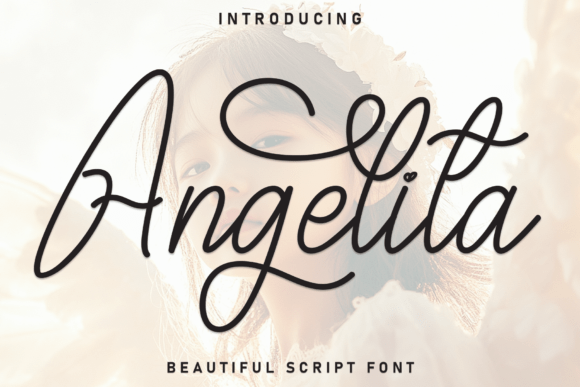
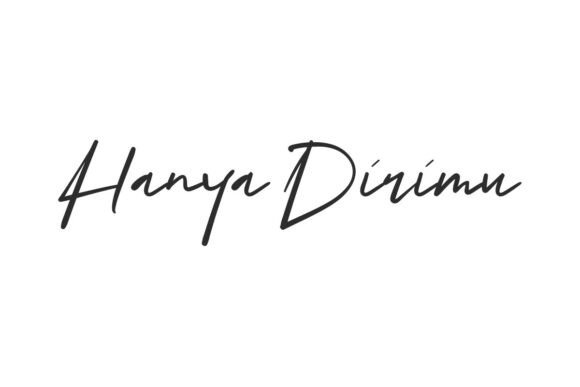
Natural Pastel is more than just a font—it’s a design choice that speaks to authenticity, warmth, and personal connection. This natural handwritten brush font was crafted manually, with each stroke imbued with the subtle imperfections and organic feel of a hand-drawn creation. Its soft textures and fluid curves bring a tactile, human quality to any project, making it ideal for those who want to infuse their work with a genuine, handmade aesthetic.
Why Natural Pastel Matters in Design
In an era dominated by digital precision and uniformity, Natural Pastel offers a refreshing alternative. It stands out by evoking the warmth of handwritten notes, the intimacy of a personal message, and the character of a carefully crafted piece. For designers, marketers, and creators, this font serves as a powerful tool to differentiate their work from the noise of mass-produced visuals.
Its versatility makes it strategically useful across multiple platforms and mediums. Whether you're designing branding materials, social media graphics, or invitations, Natural Pastel adds a layer of personality that can help your message resonate more deeply with your audience. The font's relaxed yet refined style allows it to blend seamlessly into both modern and traditional contexts, offering a bridge between the digital and the handmade.
Strategic Use of Natural Pastel in Branding and Communication
Branding is about creating a lasting impression, and the visual elements you choose play a crucial role in shaping that impression. Natural Pastel can be a valuable asset in building a brand identity that feels authentic and approachable. When used thoughtfully, it can communicate trust, creativity, and a commitment to quality.
Consider how the font aligns with your brand values. If your business emphasizes craftsmanship, individuality, or a personal touch, Natural Pastel can serve as a visual representation of these principles. It’s particularly effective in industries like fashion, lifestyle, education, and creative services where storytelling and emotional connection are key.
For example, a boutique clothing brand might use Natural Pastel in its packaging and social media posts to create a sense of exclusivity and care. Similarly, an educational platform could incorporate the font into course materials or promotional content to convey a more personal and engaging learning experience.
When to Use Natural Pastel
While Natural Pastel is versatile, it’s not always the best fit for every project. Understanding when to use it can help you make more intentional design choices. Here are some scenarios where Natural Pastel shines:
- Brand Identity Projects: Logos, taglines, and other brand assets that require a unique, memorable look.
- Social Media Content: Captions, headers, and call-to-action buttons that benefit from a warm, inviting tone.
- Invitations and Event Materials: Wedding invites, workshop sign-ups, or event flyers that need a personal touch.
- Stationery and Print Designs: Business cards, letterheads, and notebooks that reflect a handmade aesthetic.
- Creative Portfolios: Showcasing work in a way that highlights the creator’s personality and process.
However, it’s important to consider the context and audience. Natural Pastel may not be the best choice for formal documents, legal texts, or technical manuals where clarity and professionalism are paramount. In such cases, a more structured font would better serve the purpose.
Practical Tips for Using Natural Pastel Effectively
Integrating Natural Pastel into your design workflow requires intentionality and planning. Here are some practical strategies to help you use it effectively:
- Define Your Purpose: Before applying the font, ask yourself what message you want to convey. Does it align with your brand voice? Will it enhance the user experience?
- Balance with Other Fonts: Use Natural Pastel as a highlight rather than the sole typeface. Pair it with clean, readable fonts to maintain legibility and visual harmony.
- Test Across Platforms: Ensure the font looks good on all devices and screen sizes. Avoid using it in small text or low-resolution environments where it may become unclear.
- Focus on Context: Consider the medium and audience. A casual blog post might benefit from the font’s charm, while a professional report should stick to more formal typography.
- Use It Intentionally: Reserve Natural Pastel for moments where its unique qualities add value. Overusing it can dilute its impact and confuse your audience.
By approaching the font with a strategic mindset, you can ensure that it enhances rather than detracts from your overall design goals.
Long-Term Value and Strategic Thinking
Design decisions have long-term implications, especially in branding and marketing. Choosing the right font isn’t just about aesthetics—it’s about building a consistent, recognizable identity that supports your goals over time.
Natural Pastel can contribute to this long-term value by fostering a sense of authenticity and connection with your audience. When people see a font that feels personal and handmade, they’re more likely to perceive your brand as trustworthy and relatable. This emotional resonance can lead to stronger customer loyalty and better engagement.
However, it’s essential to remain mindful of potential risks. Relying on Natural Pastel without clear goals or context can result in a disjointed brand image. It may also create confusion if the font doesn’t align with your overall design strategy or target audience preferences.
Therefore, it’s important to evaluate how Natural Pastel fits into your broader communication plan. Does it support your messaging? Does it reflect your brand’s personality? Can it be used consistently across all touchpoints?
Conclusion
Natural Pastel is a powerful design tool that brings warmth, authenticity, and personality to your projects. By understanding its strengths and limitations, you can use it strategically to enhance your branding, communication, and creative output.
Whether you’re launching a new business, designing a marketing campaign, or creating content for your audience, Natural Pastel can be a valuable addition to your toolkit. However, its success depends on thoughtful application, clear goals, and a deep understanding of your audience’s needs.
With careful planning and intentional use, Natural Pastel can help you create designs that are not only visually appealing but also emotionally resonant and strategically sound.